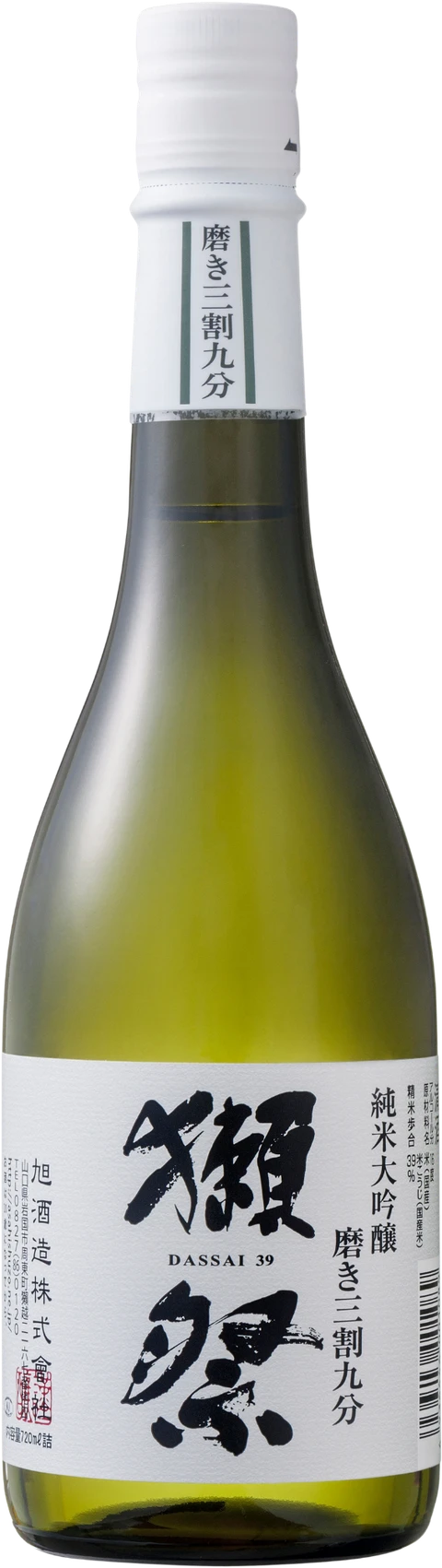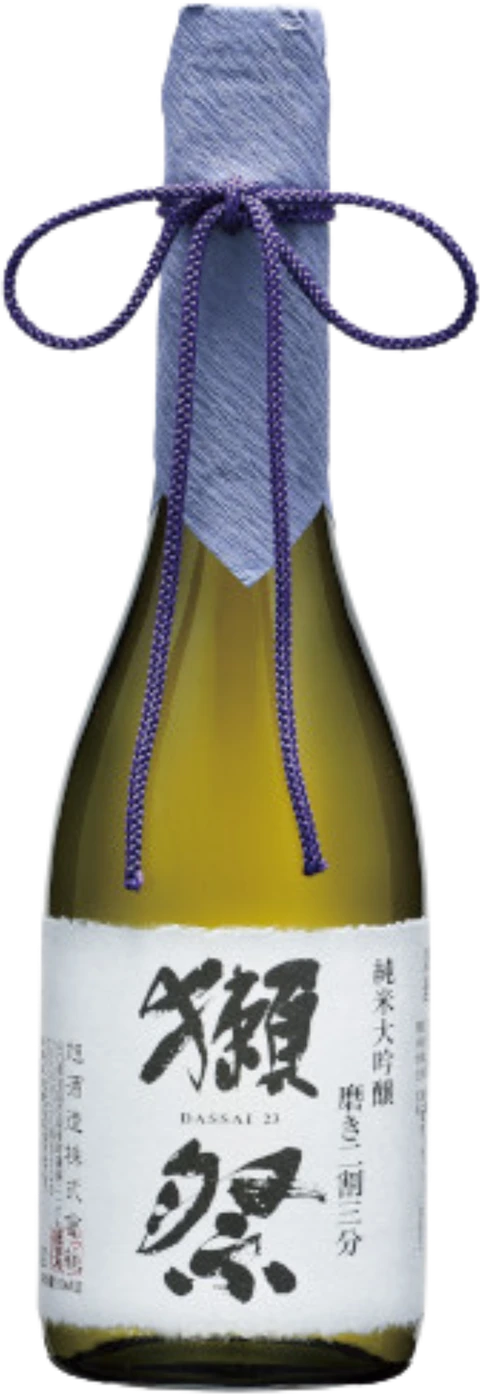

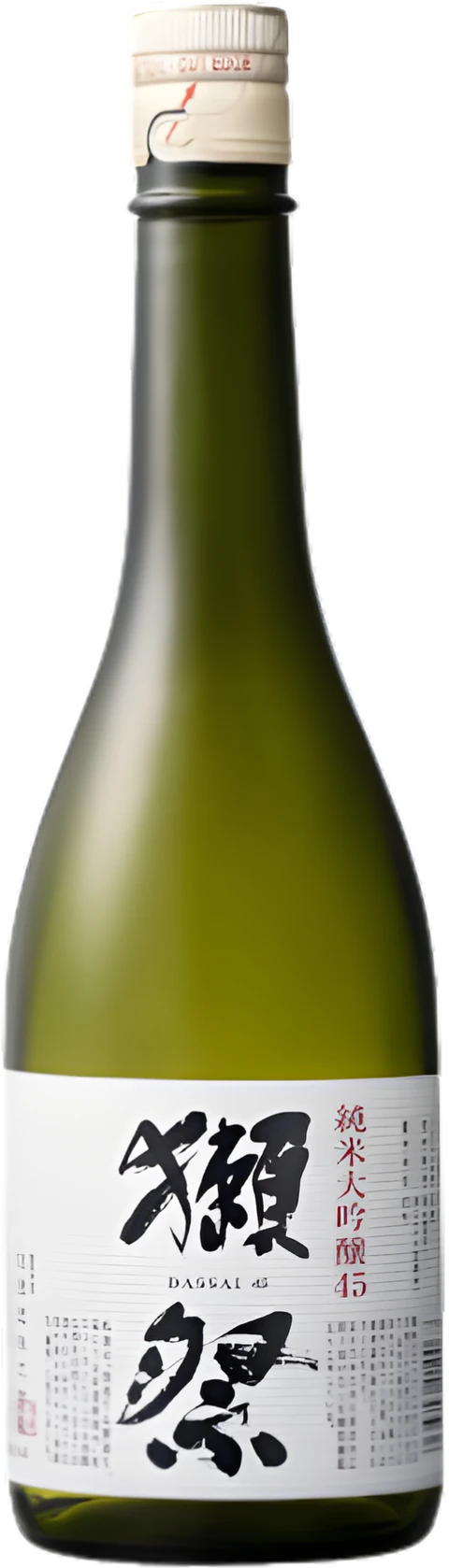
DASSAI 45
Fruit-led, generous and gently sweet.
Three Japanese Junmai Daiginjo sakes. Choose the flavour you enjoy, rather than a number.
Choose this if… You enjoy expressive fruit and a fuller feel with food.
Grilled chicken, lightly seasoned fish or roasted vegetables.
Package options: 720 ml · 1.8 L
Read the bottle guide →Choose this if… You like rounded fruit with a fresh finish.
Simply cooked white fish, shellfish or gently grilled chicken.
Package options: 720 ml · 1.8 L
Read the bottle guide →Choose this if… You enjoy subtle floral aromas and a finer feel.
Simply prepared fish or lightly dressed vegetables.
Package options: 720 ml · 1.8 L
Read the bottle guide →The producer recommends 10–12 °C in a small wine glass. Keep refrigerated; its best-flavour advice is within a month of purchase and a week after opening, kept chilled. Follow your bottle’s instructions.
Serving and food ideas from Pour Curious.
Each expression comes in 720 ml and 1.8 L packages. Choose a size to suit your occasion; bottle size alone does not create a different flavour.
Clayton’s dedicated shelf and these two sizes are owner-reported. This guide does not confirm current stock; ask the shop.
45, 39 and 23 are the percentages of rice remaining after polishing: 45% remaining means 55% removed. They describe the rice, not a quality score. More polishing does not automatically make a sake the best choice for you.
DASSAI Inc. · Iwakuni, Yamaguchi, Japan · Yamada-Nishiki rice. Junmai means no added brewing alcohol; Daiginjo describes a highly polished-rice sake style.
These are the standard Japanese classics, distinct from American-made DASSAI BLUE and the Hayata, Centrifuge, DEX, sparkling and unpasteurised editions. Check the label.
Flavour profiles summarise producer descriptions, without numerical ratings. “Choose this if” and food ideas are Pour Curious’s editorial suggestions.
Jun Pacific / Tokyo Mart catalogue photograph of the Japanese classic DASSAI 45 / 39 / 23, 720 ml. The guide also covers the 1.8 L package; packaging may vary.
Sources checked: 10 October 2026